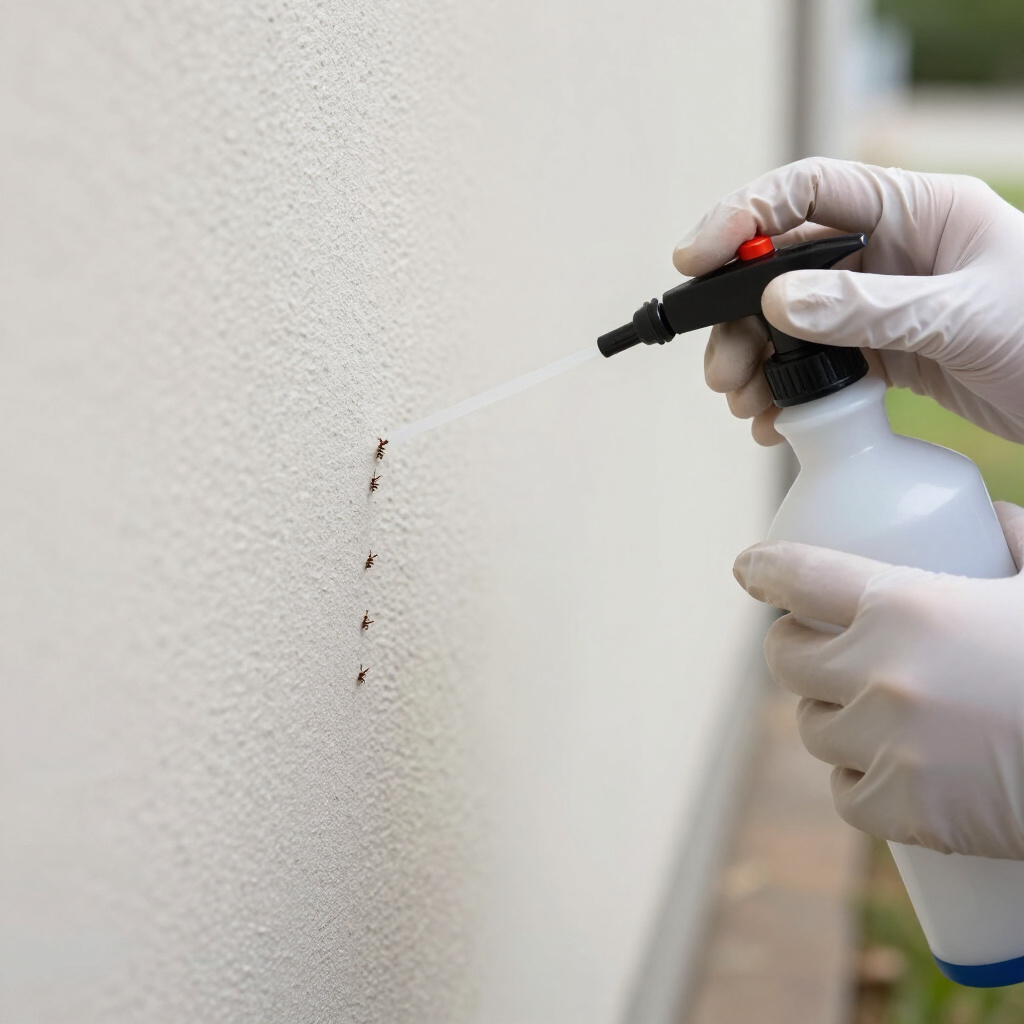
Pest Control Services in Union Grove, WI
Union Grove sits in the heart of Kenosha County, where the blend of rural farmland, residential neighborhoods, and proximity to the Des Plaines River Valley creates ideal conditions for a variety of pests throughout the year. From the historic downtown district near the Union Grove Village Hall to newer subdivisions along County Road U and Highway 45, local properties face unique challenges that demand targeted pest management approaches.
Seasonal changes in southeastern Wisconsin drive distinct pest patterns. Spring thaws bring ant colonies out of dormancy, with pavement ants and carpenter ants frequently entering homes through foundation cracks. Summer months see peak activity from mosquitoes breeding in standing water near agricultural fields, wasps establishing nests under eaves, and ticks thriving in tall grasses along property boundaries. As temperatures drop in autumn, rodents begin seeking shelter indoors, with house mice and Norway rats exploiting even small gaps in exterior walls. Winter doesn't eliminate pest problems entirely—spiders, silverfish, and overwintering boxelder bugs remain active in heated structures.
The agricultural heritage of Union Grove and surrounding Yorkville means rural properties contend with additional concerns. Stored grain pests, livestock-adjacent fly populations, and field rodents migrating toward buildings require specialized knowledge that generic pest services often lack. Residential areas near the Yorkville Nature Center and Old Settlers Park experience heightened wildlife interactions, including raccoons, skunks, and the occasional coyote seeking food sources.
Effective pest control here integrates thorough inspection, species-specific treatment protocols, and preventive exclusion work. Technicians familiar with Kenosha County building styles—from century-old farmhouses with stone foundations to modern slab-on-construction homes—can identify vulnerability points that outsiders might miss. Ongoing monitoring programs prove particularly valuable for properties near wooded corridors or water features where reinfestation pressure stays constant.
Common Questions About Pest Control in Union Grove
What pests are most problematic in Union Grove compared to other Kenosha County communities?
Union Grove's semi-rural character creates higher pressure from field rodents, agricultural-adjacent insects, and wildlife compared to more urbanized Kenosha County areas. The mix of older housing stock and active farmland means residents often deal with cluster flies, grain beetles, and deer mice at rates exceeding nearby suburban communities. Properties within a half-mile of corn or soybean fields typically require more intensive fall rodent prevention as harvest activity displaces populations.
How does proximity to the Des Plaines River affect pest activity?
The river corridor and associated wetlands create a natural highway for wildlife movement and concentrated mosquito breeding habitat. Homes within the floodplain or near tributary streams experience elevated mosquito pressure from May through September, often requiring more frequent barrier treatments. The riparian zone also supports healthy populations of spiders, ground beetles, and occasional water-dwelling pests like millipedes during wet periods. However, this same ecosystem attracts beneficial predators including bats and dragonflies that help regulate pest populations naturally.
Are there specific concerns for historic homes in Union Grove's downtown area?
Properties near the original village plat, particularly those built before 1950, often feature limestone foundations, balloon framing, and minimal wall insulation—conditions that favor carpenter ants, powderpost beetles, and house mice. These structures require careful inspection techniques that avoid damage to historic fabric while still achieving effective pest elimination. Vapor barrier conditions in dirt-floored basements common to older homes create sustained humidity that supports silverfish, springtails, and mold-feeding pests year-round.
What should rural property owners know about pest control near agricultural operations?
Landowners adjacent to active farms need integrated approaches that account for pesticide drift concerns, beneficial insect preservation, and coordination with neighboring agricultural schedules. Perimeter treatments must be selected with pollinator safety in mind, particularly during bloom periods in orchards and vegetable operations. Stored grain facilities and outbuildings require different management protocols than residential structures, with emphasis on sanitation, temperature control, and structural exclusion rather than broad chemical application. Communicating with farm operators about treatment timing helps prevent conflicts and ensures comprehensive area-wide pest suppression.