
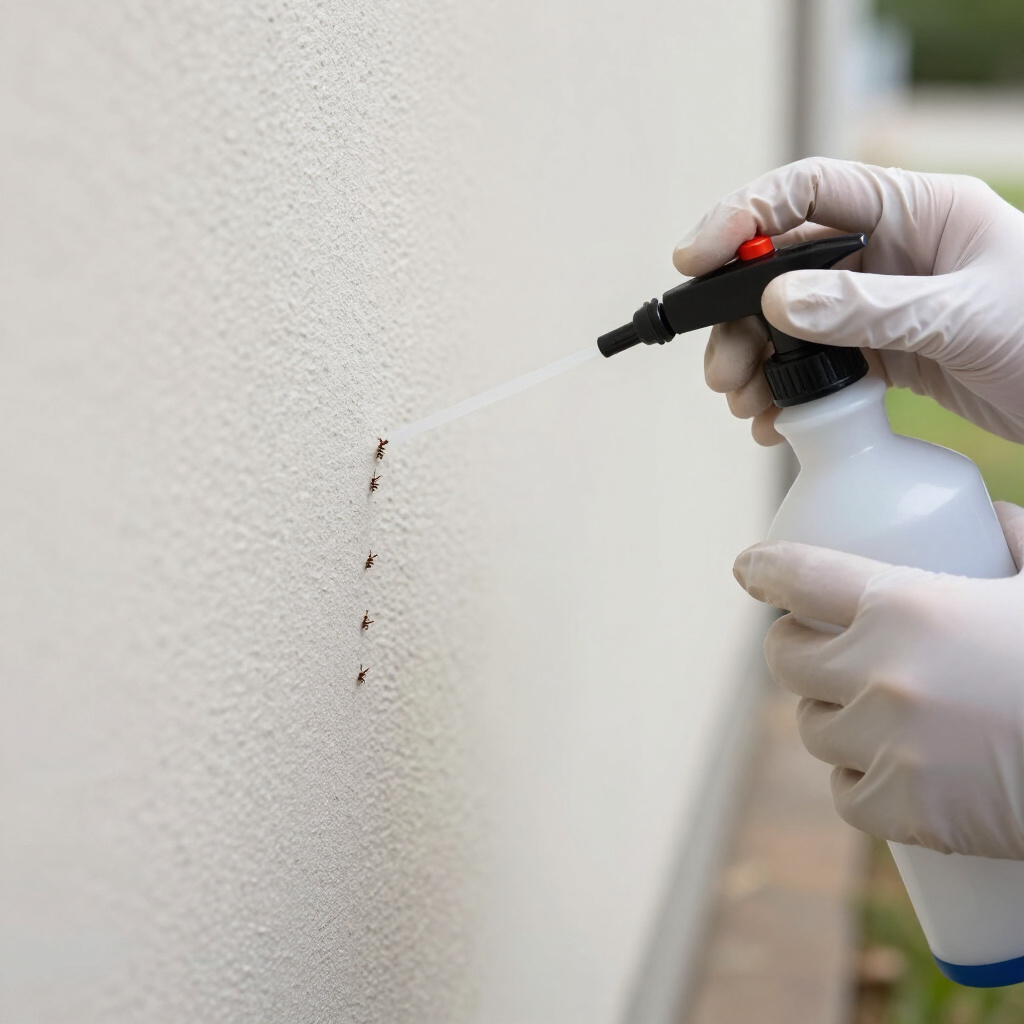


Pest Control Services in Delafield, WI
Delafield's unique position along the Bark River and amid the kettle moraine landscape creates ideal conditions for a variety of pests throughout the year. Residents in this Waukesha County community face distinct seasonal challenges that require specialized knowledge of local pest behavior and habitat patterns.
The area's mix of wooded residential properties, historic downtown structures, and lakeshore environments means pest pressures vary significantly from one neighborhood to another. Homes near Nagawicka Lake or Beaver Lake often contend with moisture-seeking pests, while properties backing onto forested areas experience different wildlife and insect issues.
Seasonal Pest Concerns for Delafield Homeowners
Spring in Delafield brings ant swarms, particularly carpenter ants attracted to the region's aging timber and decaying wood in natural settings. As temperatures rise, wasp and hornet activity increases around eaves, decks, and outbuildings. Summer months see peak mosquito populations along waterways, while ticks become a significant concern for families with pets or children who spend time outdoors.
Fall triggers rodent migration indoors as mice and rats seek shelter before winter. The area's abundant oak and maple populations provide ample food sources that support robust rodent populations. Winter doesn't eliminate pest problems entirely—spiders, silverfish, and overwintering insects like boxelder bugs and Asian lady beetles remain active in heated structures.
Common Pests in Delafield Properties
Termites and carpenter ants pose structural threats given the prevalence of wood-frame construction and humid conditions near water features. Bed bugs remain a concern in multi-unit housing and properties with frequent traveler turnover. Wildlife intrusions—including raccoons, squirrels, and skunks—are frequent as development encroaches on natural habitats.
Commercial properties along Genesee Street and near the interstate corridor face additional pressures from stored product pests, cockroaches, and flies that can impact business operations and regulatory compliance.
Integrated Pest Management for Lake Country
Effective pest control in Delafield requires more than reactive treatments. Integrated Pest Management (IPM) approaches prioritize identification, prevention, and targeted intervention. This methodology proves particularly valuable in environmentally sensitive areas where groundwater protection and wildlife conservation matter to the community.
Exclusion techniques—sealing entry points, improving ventilation, and managing moisture—form the foundation of lasting pest prevention. When treatment becomes necessary, localized applications minimize environmental impact while addressing the specific pest species identified during thorough inspection.
Frequently Asked Questions About Pest Control in Delafield
How does Delafield's proximity to lakes affect pest pressure?
Properties near Nagawicka Lake, Beaver Lake, or the Bark River corridor experience elevated humidity that attracts moisture-dependent pests including silverfish, centipedes, and certain ant species. Mosquito breeding sites increase, and the buffer zones between water and structures often harbor ticks and wildlife. Specialized treatment protocols account for these hydrological factors while protecting aquatic ecosystems from runoff concerns.
What should Delafield homeowners know about carpenter ants versus termites?
Both pests threaten wooden structures but require different treatment approaches. Carpenter ants excavate moist, decaying wood for nesting without consuming it—evidenced by sawdust-like frass and smooth galleries. Termites consume cellulose directly, creating mud tubes and leaving damaged wood with a hollow, layered appearance. Delafield's climate supports both, though carpenter ants are more frequently encountered. Professional identification ensures appropriate treatment rather than wasted effort on the wrong pest.
Are there pest control options safe for homes with wells in Delafield?
Many Delafield properties rely on private well water, making application method and product selection critical. Modern IPM prioritizes physical barriers, baits, and targeted exterior treatments over broad interior spraying. When liquid applications become necessary, perimeter banding with appropriate buffer distances from wellheads protects groundwater. Reputable providers discuss well locations during initial assessment and adjust protocols accordingly.