

Termites are silent destroyers. By the time most homeowners notice something is wrong, these wood-eating insects have already caused significant damage hidden behind walls, beneath floors, and in crawl spaces. Knowing the early warning signs can save you thousands of dollars in repairs and protect the structural integrity of your home. Here's what to watch for so you can act before the problem spirals out of control.
Signs You May Have Termites: Visible Damage and Telltale Clues
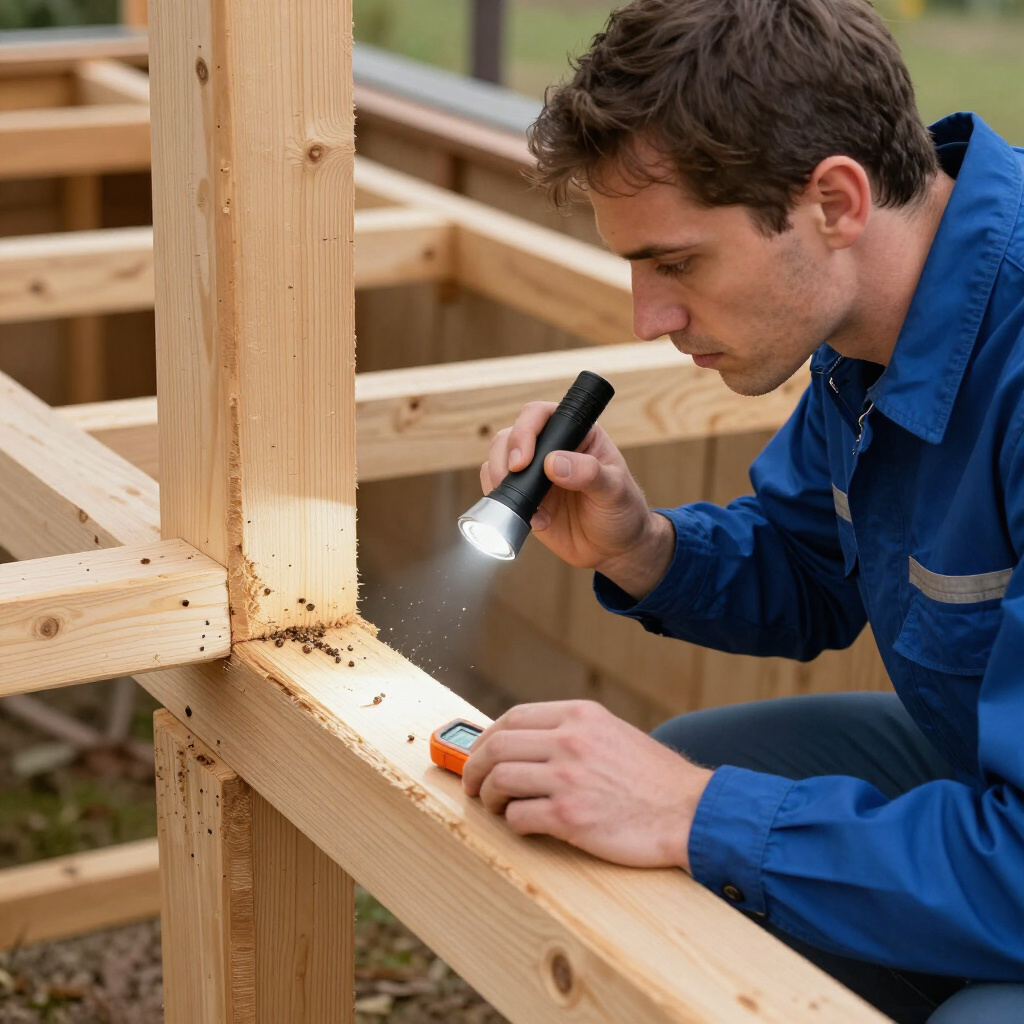
One of the most common ways homeowners discover termites is by spotting visible damage to wooden structures. However, termites consume wood from the inside out, which means surface appearances can be deceiving. Wood that sounds hollow when tapped is a major red flag. You might also notice blistering or darkening on wood surfaces, sagging floors, or doors and windows that suddenly become difficult to open or close.
Mud tubes are another unmistakable indicator of termite activity. Subterranean termites build these pencil-width tunnels from soil, wood particles, and saliva to travel between their colony and food sources while staying protected from dry air and predators. Look for mud tubes along foundation walls, crawl space supports, basement corners, and exterior walls—especially after periods of rain.
Discarded wings near windowsills, doorways, or light fixtures signal a termite swarm has occurred. Reproductive termites, called swarmers, emerge in spring to mate and establish new colonies. Finding piles of these translucent, equal-sized wings—often confused with flying ant wings—is a strong indication that a mature colony is nearby, either in or around your home.
Frass, or termite droppings, resembles small piles of sawdust or coffee grounds. Drywood termites push these pellets out of tiny kick-out holes in the wood they're infesting. Unlike subterranean termites, drywood species don't require contact with soil, making their presence harder to predict and often allowing them to go undetected longer.
Subtle Environmental and Structural Indicators
Not all termite signs are obvious to the untrained eye. Some of the most telling clues require closer attention to your home's environment and subtle changes over time. Buckling or bubbling paint can indicate moisture buildup from termite tunnels beneath the surface. Similarly, unexplained cracks in interior walls or ceilings may result from structural weakening caused by hidden feeding activity.
Your yard can also reveal termite pressures before they reach your home. Dying or dead trees, stumps with hollow centers, and wooden fence posts that crumble easily suggest active colonies in the immediate area. Firewood stacks, mulch beds, and wooden landscaping borders placed too close to your foundation create ideal bridges for termites seeking new food sources.
Moisture problems attract termites and sustain their colonies. Poor drainage, leaking gutters, condensation in crawl spaces, and plumbing leaks all increase your risk. If you've recently dealt with water damage or notice persistently damp areas in your home, a professional inspection becomes even more critical.
What to Do If You Suspect Termites
Acting quickly at the first signs you may have termites makes all the difference in limiting damage and treatment complexity. Start with a thorough visual inspection of accessible areas: basement, crawl space, attic, garage, and exterior perimeter. Document anything suspicious with photos to share with a pest control professional.
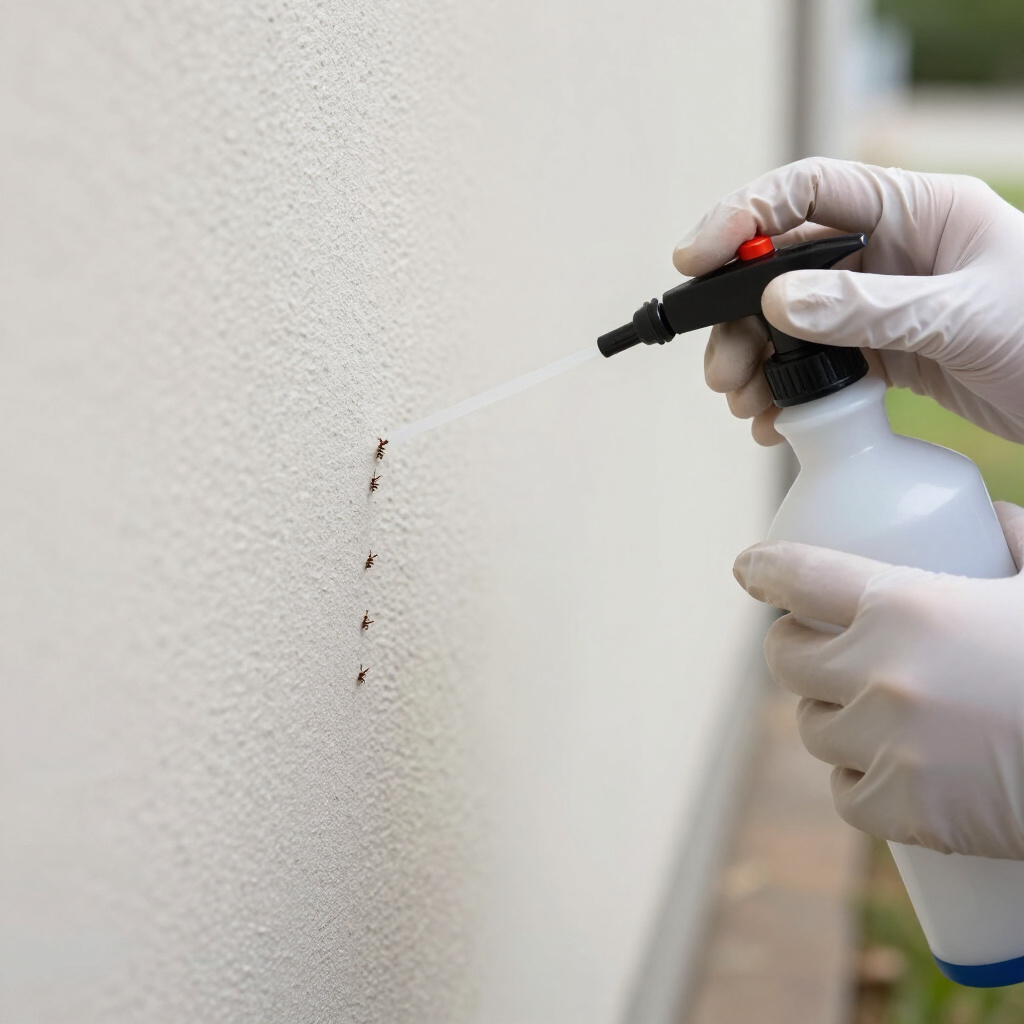
Resist the urge to disturb active mud tubes or spray over-the-counter insecticides. These actions can fragment the colony and cause termites to retreat deeper into hidden areas, making professional treatment more difficult and less effective. Termite control requires specialized knowledge of species behavior, colony location, and appropriate treatment methods ranging from liquid barrier systems to baiting programs.
Schedule a professional inspection annually, even if you haven't noticed warning signs. Licensed pest control technicians have the training, tools, and experience to detect activity in areas homeowners typically overlook. Many companies offer free inspections, and the peace of mind is well worth the small time investment.
For homeowners in high-risk regions or those with previous termite history, consider a preventive termite protection plan. These programs include regular monitoring, early intervention, and often renewable warranties that transfer to new owners if you sell your home.
Final Thoughts
Termites cause more property damage each year than fires, floods, and storms combined—yet standard homeowner's insurance rarely covers the destruction. Protecting your investment starts with vigilance and knowing the signs you may have termites before extensive damage occurs. Hollow-sounding wood, mud tubes, discarded wings, and unexplained structural changes all demand immediate attention. Partner with a trusted pest control professional for accurate identification and a tailored treatment strategy that eliminates the current threat and guards against future infestations. Your home's structural health depends on catching these silent invaders early.