
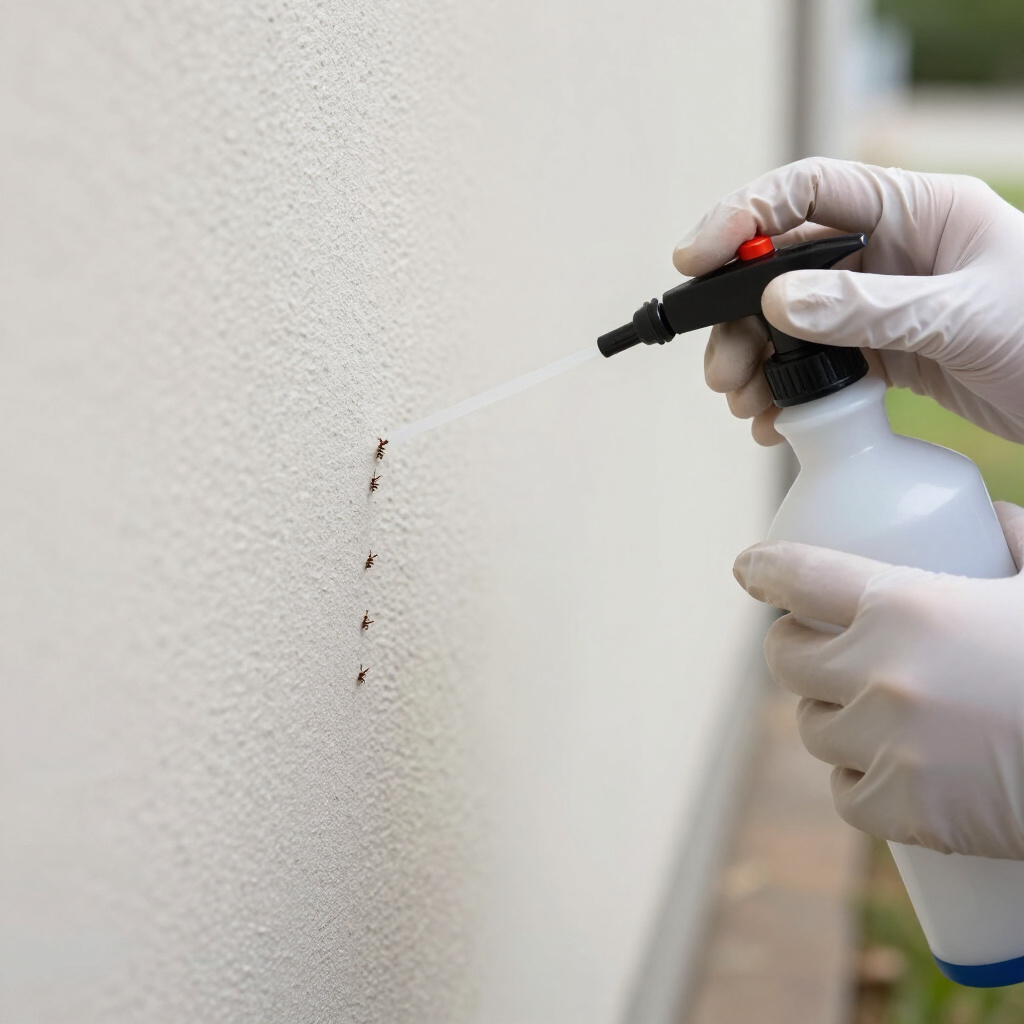


As the seasons change, so do the pests that try to make themselves at home in your living space. From ants marching across your kitchen in spring to rodents seeking shelter in winter, each time of year brings its own set of unwelcome visitors. A proactive, season-by-season approach to pest management helps you stay ahead of infestations before they take hold, saving you stress, money, and countless hours of frustration. This seasonal pest control checklist for homeowners will walk you through exactly what to watch for and how to protect your home all year long.
Your Seasonal Pest Control Checklist for Homeowners
Breaking pest prevention into seasonal tasks makes the job far more manageable. Rather than scrambling when you spot a problem, you'll build habits that keep your home fortified against the most common invaders each time of year.
Spring: As temperatures rise, ants, termites, wasps, and mosquitoes become active. Start by inspecting your home's exterior for cracks and gaps, paying special attention to where utility lines enter. Trim shrubs and tree branches away from your walls and roofline to eliminate bridges pests use to access your home. Clean gutters thoroughly—standing water and debris attract mosquitoes and provide nesting material for other pests. Check window screens for tears and replace damaged weatherstripping around doors. If you notice mud tubes on your foundation or hollow-sounding wood, call a professional immediately for termite evaluation.
Summer: Heat and humidity drive pests indoors seeking moisture and cooler temperatures. Focus on moisture control: repair leaky faucets, ensure proper drainage around your foundation, and eliminate any standing water in birdbaths, planters, or clogged drains. Keep garbage in sealed containers and clean them regularly. Store pantry items in airtight containers to deter ants, beetles, and moths. Inspect your attic and basement for signs of bats, squirrels, or raccoons that may have established summer nurseries. Maintain your yard by mowing regularly and removing fallen fruit to reduce food sources that attract pests to your property.
Fall: This is preparation season. Rodents, spiders, and overwintering insects like stink bugs and boxelder bugs begin seeking warm shelter. Seal every potential entry point larger than a quarter-inch—mice can squeeze through incredibly small gaps. Install door sweeps, repair damaged vents, and cover chimney openings with appropriate screening. Store firewood at least twenty feet from your home and elevate it off the ground. Bring in garden hoses, drain outdoor faucets, and clear fallen leaves from around your foundation where pests harbor. Inside, declutter storage areas and inspect seldom-used items before bringing them indoors from sheds or garages.
Winter: Cold weather forces remaining pests inside or into dormant states. Use this quieter period for deep maintenance. Inspect your attic, basement, and crawl spaces with a flashlight for droppings, gnaw marks, or nesting materials that indicate rodent activity. Listen for scratching sounds in walls, especially at night. Check insulation for damage—rodents love to tunnel through it. Continue monitoring pantry staples for pantry moth or beetle activity, as heated homes allow these pests to remain active year-round. Schedule any major exclusion work or professional inspections during this slower season when pest pressure is lowest.
Year-Round Habits That Strengthen Your Defense
While seasonal tasks target specific threats, certain practices deserve attention every month of the year. Consistency matters more than intensity when it comes to keeping pests at bay.
Make a habit of inspecting your home's perimeter monthly. Walk the exterior slowly, looking for new cracks in the foundation, deteriorating caulk, damaged screens, or gaps where siding meets trim. Address issues promptly while they're small repairs rather than major projects.
Manage moisture diligently. Most pests need water to survive, and damp environments attract everything from silverfish to cockroaches to termites. Run dehumidifiers in basements and crawl spaces, use exhaust fans in bathrooms and kitchens, and never ignore a leak no matter how minor it seems.
Practice smart food storage and waste management. Keep countertops clean, store pet food in sealed containers rather than open bags, and take garbage out regularly. Even small crumbs can sustain ant colonies or attract roaches looking for easy meals.
Resist overwatering your lawn and garden. Saturated soil creates ideal conditions for millipedes, earwigs, and foundation pests. Water deeply but less frequently to encourage deep root growth and drier surface conditions.
When to Call a Professional
Even diligent homeowners encounter situations requiring expert help. Contact a licensed pest control professional if you notice signs of termites, hear rodents in walls or attics, discover nests of stinging insects in difficult-to-reach locations, or experience recurring infestations despite your best efforts. Professionals have access to targeted treatments, specialized equipment, and training to identify species and conditions you might miss.
Consider scheduling an annual whole-home inspection, ideally in late winter or early spring before peak activity begins. This investment often catches developing problems early, when they're simpler and less expensive to resolve. Many companies offer preventive service plans that provide regular monitoring and seasonal treatments tailored to your region and property.
Final Thoughts
Protecting your home from pests doesn't require constant vigilance or harsh chemical treatments. By following a seasonal pest control checklist for homeowners, you transform overwhelming prevention into simple, scheduled tasks that fit naturally into your home maintenance routine. The small effort you invest in spring sealing, summer moisture control, fall exclusion, and winter monitoring pays dividends in a cleaner, healthier, more comfortable home throughout the year.
Start with whatever season you're in right now. Complete the relevant tasks, then calendar the rest to build a sustainable rhythm. Your future self—relaxing in a pest-free living room—will thank you for the foresight.