
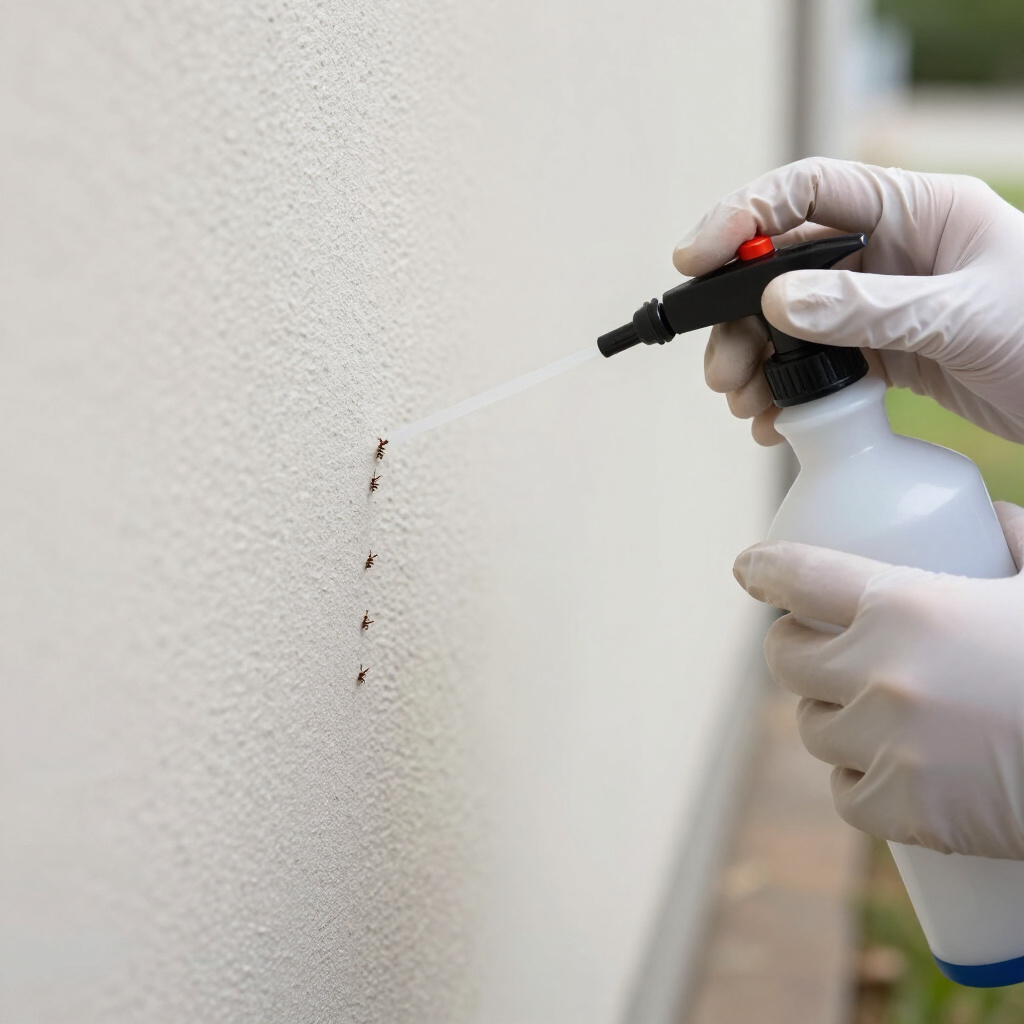


Pests have a way of making themselves at home where they're least welcome. Before you reach for harsh chemical sprays, consider this: natural pest control methods can be remarkably effective when applied correctly. Whether you're dealing with ants marching across your kitchen counter, mosquitoes buzzing around your backyard, or aphids destroying your garden tomatoes, nature offers powerful solutions that protect your family, pets, and the environment while sending pests packing.
Natural Pest Control Methods for Your Home
The foundation of effective natural pest control starts with understanding what attracts pests in the first place. Food residue, standing water, and accessible entry points are invitations pests simply cannot refuse. Begin your defense by sealing cracks around windows and doors with weatherstripping, storing dry goods in airtight glass or metal containers, and fixing leaky faucets promptly.
Inside your home, several proven natural remedies target specific invaders. Diatomaceous earth, a fine powder made from fossilized aquatic organisms, works mechanically rather than chemically. When crawling insects like ants, cockroaches, and silverfish contact it, the microscopic particles damage their exoskeletons, causing dehydration and death. Sprinkle food-grade diatomaceous earth along baseboards, behind appliances, and in other pest pathways, reapplying after vacuuming or if the powder becomes damp.
Essential oils offer another powerful natural pest control approach. Peppermint oil repels spiders and mice, who find the intense menthol aroma overwhelming. Mix fifteen drops with water in a spray bottle and apply to entry points and dark corners weekly. For ants, a solution of equal parts white vinegar and water disrupts their scent trails, confusing foragers and preventing them from recruiting colony members to your pantry. Tea tree oil and eucalyptus oil similarly deter a wide range of insects when diluted properly and applied to problem areas.
Don't overlook the humble bay leaf for pantry protection. Tuck dried leaves among flour, rice, and cereal containers to repel weevils and moths naturally. For fruit flies, a small dish of apple cider vinegar covered with perforated plastic wrap proves irresistible—these pests enter seeking fermentation but cannot escape.
Natural Pest Control Methods for Your Garden
Your outdoor spaces deserve protection without sacrificing beneficial insects or soil health. Companion planting stands as one of the most elegant natural pest control strategies, working with ecological relationships rather than against them. Marigolds release compounds from their roots that repel nematodes, while their strong scent confuses many leaf-eating pests. Plant them generously among vegetables, particularly tomatoes and peppers. Nasturtiums act as trap crops, drawing aphids and whiteflies away from more valuable plantings. Basil planted near tomatoes reportedly improves their flavor while repelling flies and mosquitoes.
Beneficial insects serve as your garden's security force when you create welcoming habitat. Ladybugs, lacewings, and parasitic wasps consume aphids, mites, caterpillars, and other destructive pests at impressive rates. Attract and retain these allies by planting diverse flowering species like yarrow, dill, fennel, and cosmos that provide nectar throughout the growing season. Avoid broad-spectrum treatments that harm these helpful predators along with problem pests.
Physical barriers complete your natural pest control arsenal without any chemical input. Floating row covers of lightweight fabric protect tender seedlings from flying insects while allowing sunlight and water through. Copper tape around raised beds delivers a mild electric charge that deters slugs and snails without killing them. Handpicking, though labor-intensive, remains highly effective for visible pests like tomato hornworms and Japanese beetles, especially when done in early morning when insects move slowly.
For fungal issues that often accompany pest damage, a simple baking soda spray helps prevent powdery mildew. Mix one tablespoon baking soda with one gallon of water and a few drops of liquid soap, applying to affected foliage every seven to ten days. Neem oil, derived from the seeds of the neem tree, disrupts feeding and reproduction in over two hundred insect species while remaining safe for bees and other pollinators when applied in evening hours.
Key Tips for Success with Natural Approaches
Transitioning to natural pest control methods requires patience and consistency that chemical shortcuts simply don't demand. Monitor your spaces regularly—daily kitchen checks and twice-weekly garden inspections let you catch problems before they escalate. Keep detailed notes about what works in your specific environment, as local pest pressures and microclimates vary considerably.
Correct application timing maximizes natural treatment effectiveness. Apply diatomaceous earth during dry periods, as moisture renders it inactive. Release purchased beneficial insects at dusk when they settle rather than fly away immediately. Treat garden pests in early morning or evening when beneficial pollinators are less active, reducing unintended collateral damage.
Combine multiple natural pest control methods for resilient protection rather than relying on single solutions. A kitchen using vinegar sprays, diatomaceous earth barriers, and proper food storage together achieves far better results than any one tactic alone. In gardens, integrate companion planting with physical barriers and predator habitat for layered defense that adapts as conditions change.
Finally, maintain realistic expectations about complete elimination. Natural pest control aims for management below damaging thresholds, not sterile environments. Some pest presence actually supports beneficial predator populations that sustain your long-term defense system. A few aphids today may mean ladybug larvae tomorrow.
Final Thoughts
Natural pest control methods that actually work combine time-tested wisdom with modern understanding of pest biology and ecology. By removing attractants, employing targeted natural treatments, and supporting beneficial organisms, you create environments where pests struggle to thrive while your family, pets, and local ecosystem remain protected. The investment in learning and applying these approaches pays dividends through reduced chemical exposure, preserved soil health, and surprisingly effective results. Start with one or two methods matched to your current challenges, build on your successes, and discover how capable nature's own solutions truly are when thoughtfully deployed.