
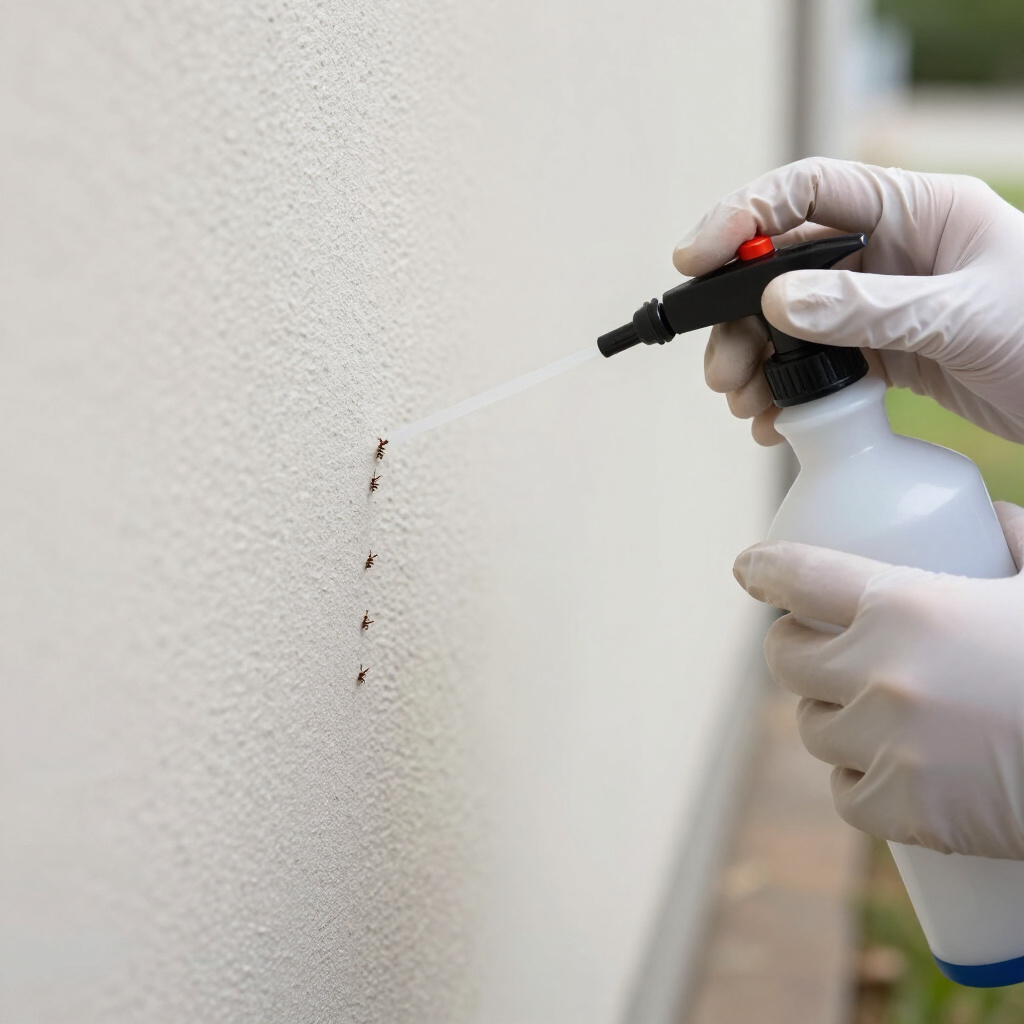


Few things disrupt the comfort of home quite like unwelcome critters scurrying through your kitchen or buzzing around your bedroom. Whether you're dealing with a sudden ant invasion or the telltale signs of mice in the walls, household pests are more than a nuisance—they can damage your property, contaminate food, and even pose health risks to your family. The good news? Most infestations are entirely preventable with the right knowledge and consistent habits. Let's explore the most common household pests and the practical steps you can take to keep them outside where they belong.
Most Common Household Pests and How to Prevent Them
Understanding which pests you're most likely to encounter is the first step toward effective prevention. Different regions and seasons bring different challenges, but certain culprits show up in homes across the country with remarkable consistency.
Ants top nearly every list of household invaders. These tiny foragers enter through the smallest cracks, drawn by crumbs, sticky spills, and unsecured food. Once a scout finds something promising, it leaves a chemical trail for hundreds of followers. You'll typically see them in kitchens and bathrooms, marching in determined lines along countertops or baseboards.
Cockroaches thrive in warm, humid environments with access to food and water. These resilient pests squeeze through gaps around pipes, under doors, and through vents. They're particularly active at night, so spotting one during daylight often signals a larger hidden population.
Mice and rats seek shelter as temperatures drop, gnawing through wood, drywall, and even electrical wiring to create nesting sites. Their droppings and urine contaminate surfaces, and their constant chewing creates fire hazards and structural damage.
Spiders generally prefer undisturbed areas like basements, attics, and closets. While most common house spiders are harmless, their presence often indicates other insect activity—after all, spiders go where the food is.
Termites work silently, consuming wood from the inside out. By the time you notice sagging floors, hollow-sounding timber, or discarded wings, significant damage may already exist.
Bed bugs hitchhike on luggage, clothing, and used furniture, establishing themselves in mattress seams, box springs, and cracks near sleeping areas. Their bites cause itchy welts, and their populations grow rapidly without intervention.
Essential Prevention Strategies That Actually Work
Preventing pests requires addressing what they need to survive: food, water, shelter, and entry points. Remove or reduce these elements, and your home becomes far less appealing.
Seal entry points meticulously. Walk the perimeter of your home with a critical eye. Caulk gaps around windows and doors, install door sweeps, repair torn screens, and stuff steel wool into openings around utility pipes. Mice can squeeze through holes as small as a dime, so don't dismiss seemingly minor cracks.
Manage moisture diligently. Fix leaky faucets, running toilets, and clogged gutters promptly. Use dehumidifiers in damp basements and ensure bathrooms have adequate ventilation. Many pests, including cockroaches and silverfish, require consistent water sources and will travel surprising distances to find them.
Store food properly. Transfer dry goods to airtight glass or thick plastic containers. Keep pet food sealed between meals rather than leaving it out overnight. Wipe down counters daily, sweep floors regularly, and don't let dirty dishes accumulate in sinks.
Maintain your landscape strategically. Trim tree branches and shrubs so they don't touch your home's exterior—these serve as highways for ants, rodents, and spiders. Keep firewood stacked at least twenty feet from your foundation, and elevate it off the ground. Rake fallen leaves and eliminate standing water where mosquitoes breed.
Declutter with purpose. Cardboard boxes, newspaper stacks, and unused clothing provide ideal harborage for multiple pest species. Opt for plastic storage bins with tight-fitting lids, and regularly sort through accumulated items in garages, basements, and attics.
Key Tips for Seasonal Vigilance
Pest pressure changes throughout the year, and adjusting your prevention approach accordingly keeps you ahead of problems.
In spring, ants become active and termites swarm. Inspect your foundation for mud tubes, schedule a professional termite evaluation if you haven't had one recently, and apply fresh caulk where winter weather may have compromised seals.
During summer, flies, wasps, and mosquitoes peak. Ensure window screens are intact, eliminate standing water weekly, and keep outdoor garbage bins tightly lidded and away from entry doors.
Fall triggers rodent migration indoors as temperatures cool. Inspect your attic and crawl space for new gaps, store seasonal decorations in hard containers rather than cardboard, and consider installing chimney caps and vent covers.
In winter, when many pests seem dormant, maintain your routines. Overwintering insects like stink bugs and boxelder bugs may emerge on warm days, and indoor pest populations can grow unnoticed in heated spaces.
When traveling, always inspect hotel room mattresses and headboards for bed bugs before settling in. Upon returning home, launder clothing in hot water and vacuum luggage thoroughly before storing it away.
If you do spot signs of an active infestation despite your best efforts—droppings, gnaw marks, unusual odors, or visible pests—don't delay in seeking professional assistance. DIY treatments often scatter pests deeper into hiding or address only surface-level symptoms while the underlying problem grows.
Final Thoughts
Living pest-free isn't about achieving perfection; it's about building consistent habits that make your home inhospitable to unwanted guests. The principles are straightforward: block access, eliminate resources, and stay observant. Most common household pests and how to prevent them comes down to understanding what attracts each species and removing those temptations before problems start.
Your home should be a sanctuary, not a shared space with insects and rodents. With proactive maintenance and seasonal awareness, you can protect your property, your health, and your peace of mind. And when situations exceed your comfort level or expertise, partnering with a qualified pest control professional ensures thorough, lasting resolution so you can focus on enjoying the home you've worked hard to create.