
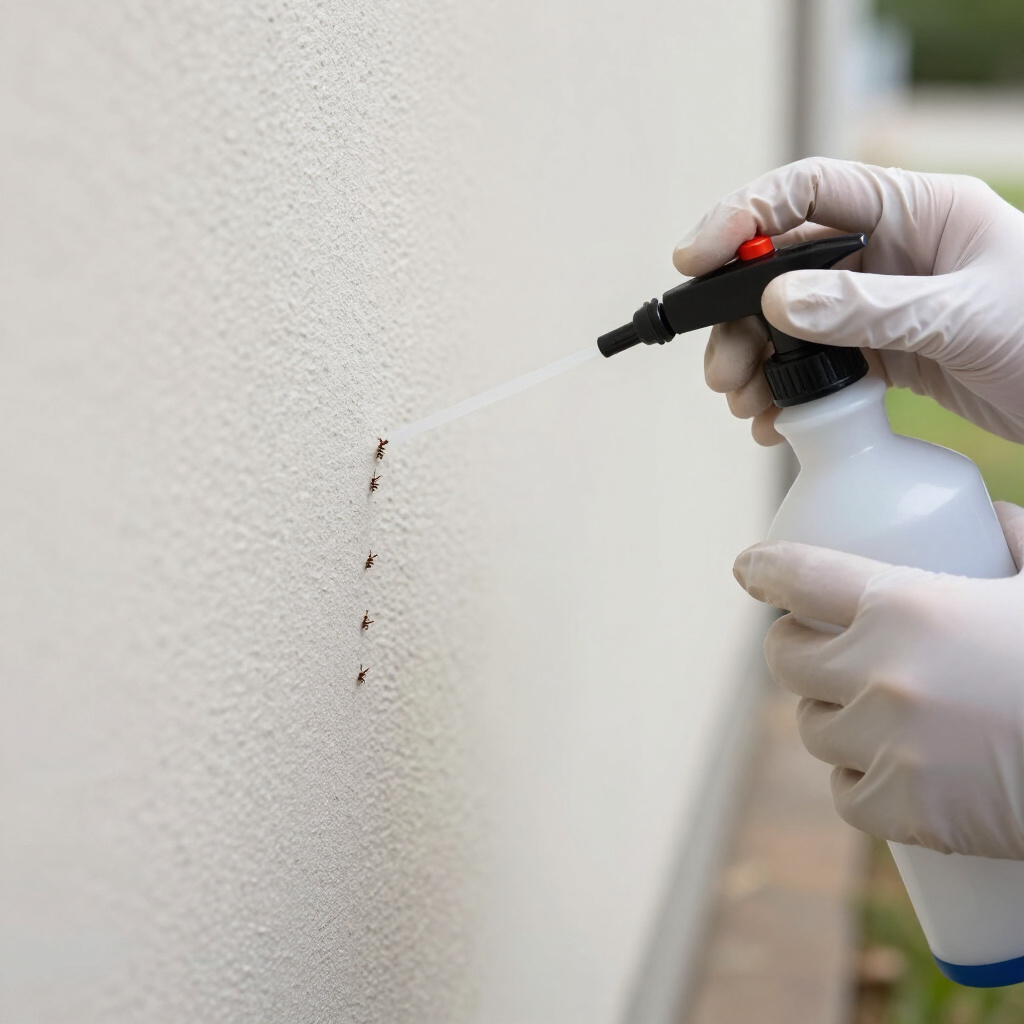

Few things are more frustrating than watching a line of ants march across your kitchen counter like they own the place. One day your home is peaceful; the next, you're tracing tiny footprints back to a crack in the baseboard, wondering where they came from and how to make them leave for good. The good news? Preventing an ant invasion is far easier than evicting one that's already settled in. With a few smart habits and some strategic home maintenance, you can keep these persistent pests outside where they belong.
How to Prevent Ants From Invading Your Home With Smart Kitchen Habits
Your kitchen is the number one destination for foraging ants, and it doesn't take much to draw them in. A few crumbs under the toaster or a sticky spot near the honey jar can broadcast a dinner invitation to an entire colony. Prevention starts with making your kitchen as unappealing as possible.
Wipe down counters and tables after every meal, and don't forget the less obvious spots: the seam between your stove and counter, the area beneath the refrigerator, and the cabinet hinges where grease collects. Sweep or vacuum the floor daily, paying special attention to corners and under appliances where food debris tends to accumulate.
Storage matters just as much as cleaning. Keep dry goods like flour, sugar, cereal, and pet food in airtight containers with tight-fitting lids—ants can squeeze through surprisingly small gaps in cardboard and thin plastic. Ripe fruit should live in the refrigerator, not in a decorative bowl on the counter. And if you have a compost bin indoors, empty it frequently and use a sealed container.
Finally, address moisture. Ants need water too, and a damp sponge left in the sink or a leaky faucet can sustain them just as well as a crumb trail. Fix drips promptly, dry sinks before bed, and don't let dishes soak overnight without good reason.
Seal the Entry Points Ants Exploit
Ants are master contortionists. A gap the width of a pencil lead is plenty of space for a worker ant to slip through, and once one finds a route, it leaves a pheromone trail for hundreds of followers. Your job is to make that journey impossible.
Start with a thorough inspection of your home's exterior. Walk the perimeter and examine the foundation, paying close attention to where utility lines enter—water pipes, electrical conduits, and cable wires often leave gaps that go unnoticed. Seal these with caulk or an appropriate filler material. Check window screens for tears, ensure weatherstripping around doors is intact, and install door sweeps if you can see daylight beneath an exterior door.
Inside, inspect baseboards, crown molding, and the areas around outlets and switch plates. These small openings may seem insignificant to you, but they're highways to an ant. Expanding foam works well for larger gaps, while silicone caulk handles finer cracks with a clean, paintable finish.
Don't overlook your landscaping. Tree branches that touch or overhang your roof create natural bridges directly to your home. Trim vegetation back at least a foot from exterior walls and the roofline. Similarly, mulch and dense ground cover placed right against your foundation provide moisture and shelter that ants—and the aphids they tend—find irresistible. Maintain a dry, vegetation-free buffer zone of several inches around your home's base.
Key Tips for Long-Term Ant Prevention
Beyond the fundamentals, a few additional strategies can strengthen your defenses considerably. Consider these practices part of your regular home maintenance routine rather than one-time fixes.
Manage outdoor attractants. Garbage cans should have tight lids and be rinsed periodically to remove residue. If you feed pets outdoors, pick up bowls promptly and store food inside. Bird feeders spill more seed than you might think; place them away from the house and clean up fallen grain regularly.
Use targeted deterrents wisely. Natural repellents like vinegar, cinnamon, peppermint oil, and diatomaceous earth can discourage ants in specific areas, but they work best as supplements to—not replacements for—proper sanitation and sealing. Apply vinegar solution along known trail paths to disrupt pheromone guides, or dust food-grade diatomaceous earth in dry, protected crevices where ants have appeared before. Reapply after cleaning or rain, as these treatments lose potency quickly.
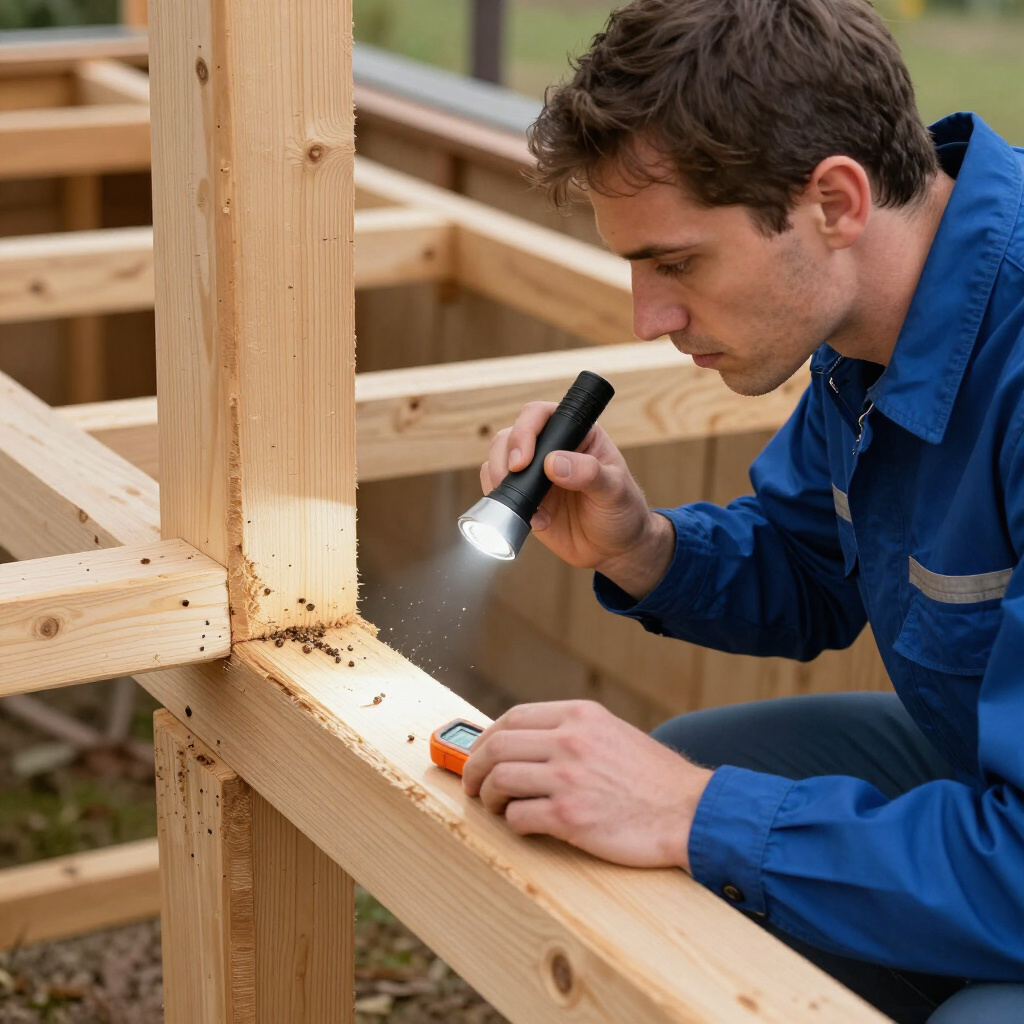
Know when to escalate. If you're seeing ants regularly despite your best efforts, the colony may be established inside your walls, under flooring, or in structural voids. Carpenter ants in particular require prompt professional attention, as they excavate wood and can cause real damage over time. Recurring sightings, sawdust-like frass, or rustling sounds in walls are signals that DIY methods have reached their limit.
Schedule seasonal check-ins. Ant activity peaks in spring and summer when colonies send out foragers, but in milder climates, they can remain active year-round. Revisit your prevention measures each season: refresh caulk, check for new gaps after winter weather, and adjust landscaping as vegetation grows.
Final Thoughts
Ant prevention isn't about achieving a perfectly sterile home—it's about being intentional. These insects are simply doing what nature programmed them to do: find food, water, and shelter. When your home stops offering easy access to all three, ants will pass it by in favor of more welcoming territory.
The most successful approach combines vigilance with consistency. A single deep clean won't protect you if crumbs return the next day; a one-time sealing project won't hold if new cracks develop unchecked. Build these habits into your routine, address problems when they're small, and don't hesitate to bring in professional expertise when a situation exceeds your reach. Your home should feel like your sanctuary—not an all-you-can-eat buffet for a colony of uninvited guests.