

There's something uniquely unsettling about walking into a room and spotting a spider dangling from the ceiling—or worse, scrambling across your floorboards when you flip on the light. While most household spiders are harmless and even helpful at controlling other insects, that knowledge rarely brings comfort when you're face-to-face with eight legs in your living space. The good news? Keeping spiders out of your house doesn't require harsh chemicals or constant vigilance. With a strategic approach to prevention and a few smart habit changes, you can dramatically reduce spider encounters and reclaim your peace of mind.
How to Keep Spiders Out of Your House by Eliminating Their Food Source
Spiders don't invade homes for shelter alone—they follow their prey. If your house hosts a steady buffet of flies, ants, moths, and other small insects, spiders will naturally settle in to hunt. This makes pest control your first and most powerful line of defense.
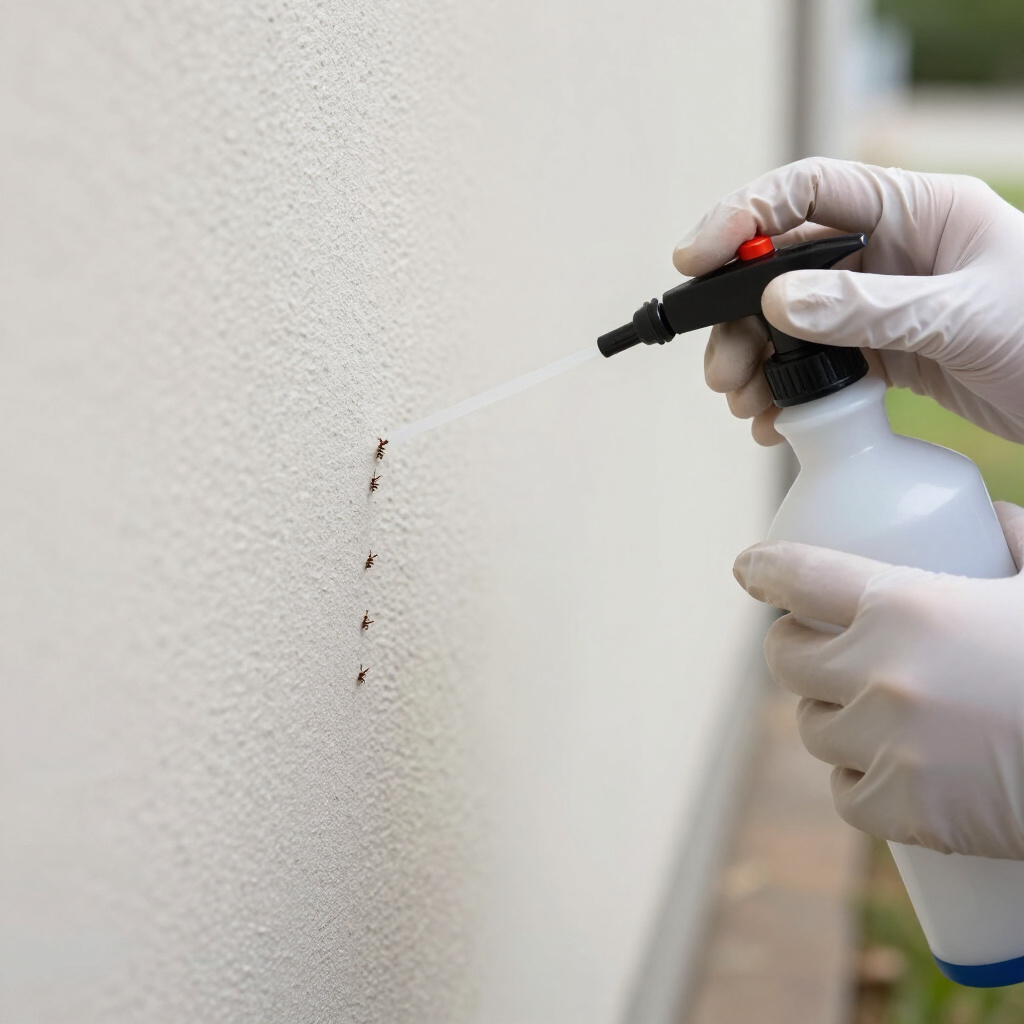
Start by addressing the basics that attract insects: seal food in airtight containers, clean up crumbs promptly, and avoid leaving pet food out overnight. Fix leaky faucets and pipes, as moisture draws both insects and the spiders that feed on them. Consider switching to yellow-tinted outdoor bulbs, which attract fewer flying insects than standard white lights. If you notice persistent insect problems, targeted treatments for those pests will often solve your spider issue indirectly. A spider-free home begins with an insect-free home.
Don't overlook your outdoor lighting placement, either. Position fixtures away from doors and windows when possible, or use motion-activated lights to minimize the constant glow that draws insects to your entryways. Every moth that bounces against your porch light is a potential meal invitation for spiders.
Seal Entry Points Before Spiders Find Them
Spiders are master contortionists, capable of squeezing through gaps you'd swear were too small for anything larger than a pencil lead. To keep spiders out of your house, you need to think like one and hunt down every possible entrance.
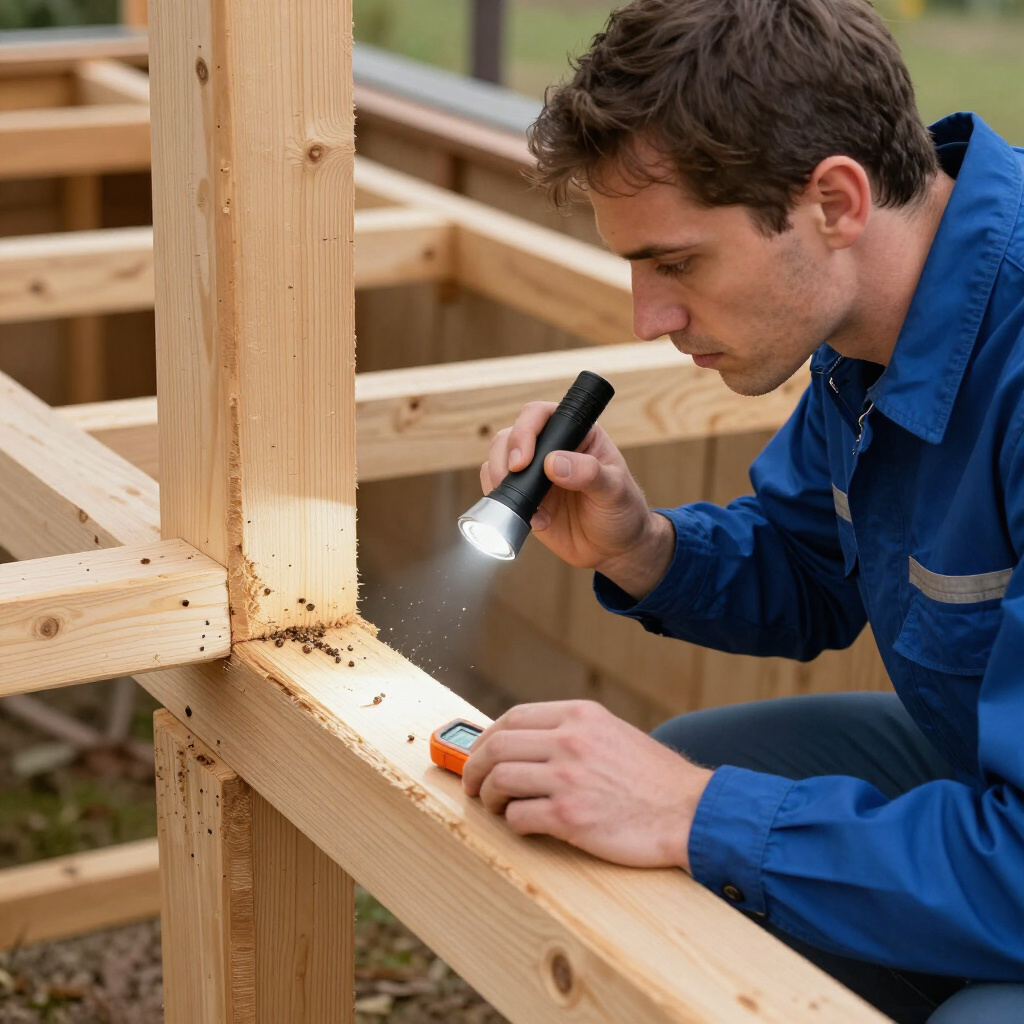
Begin with a thorough inspection of your home's exterior. Check window screens for tears and repair or replace damaged ones immediately. Examine door sweeps and weatherstripping—gaps as narrow as one-sixteenth of an inch can admit small spiders. Use silicone caulk to seal cracks around window frames, utility penetrations, and where siding meets the foundation. Pay special attention to vents; cover them with fine mesh screens that allow airflow while blocking arachnid access.
Indoors, focus on the basement, attic, and crawl spaces where spiders often establish themselves before venturing into living areas. Seal around pipe entries, electrical conduits, and any gaps in baseboards. If you have a fireplace, ensure the damper closes tightly when not in use—chimneys serve as direct highways from roof to living room.
Remember that spiders are opportunistic. The same gap that lets in a draft in December admits spiders in August. Seasonal maintenance of your home's seals pays dividends year-round.
Key Tips for Making Your Home Unwelcoming to Spiders
Beyond the foundational strategies of food elimination and entry sealing, several targeted tactics reinforce your spider defenses. Implement these consistently, and you'll create an environment where spiders simply don't want to stay.
Declutter with purpose. Spiders thrive in undisturbed spaces with plentiful hiding spots. Cardboard boxes, piles of newspapers, and overstuffed closets offer ideal harborage. Replace cardboard with plastic storage bins, keep items elevated off basement floors, and regularly disturb quiet corners with thorough cleaning. Vacuuming isn't just about removing visible spiders—it eliminates egg sacs and the insect debris that attracts new arrivals.
Manage your landscape strategically. Woodpiles, compost bins, and dense shrubbery positioned against your home create perfect spider habitats with easy indoor access. Maintain an eighteen-inch vegetation-free zone around your foundation. Store firewood at least twenty feet from the house and elevate it off the ground. Trim tree branches that overhang or touch your roof, eliminating bridge pathways.
Control humidity. Most spider species prefer moist environments. Run dehumidifiers in basements and crawl spaces, aiming for humidity below fifty percent. Ensure bathrooms and kitchens are well-ventilated, and wipe down shower walls after use. A drier home discourages both spiders and their prey.
Use natural deterrents judiciously. While no natural solution provides complete protection, certain substances may reduce spider activity in treated areas. Peppermint oil, vinegar solutions, and diatomaceous earth have anecdotal support, though results vary. Apply these to known travel paths and entry points as supplementary measures, not primary defenses. Commercial spider repellents containing essential oils offer more standardized formulations if you prefer this route.
Establish consistent cleaning rhythms. Weekly vacuuming of corners, behind furniture, and along baseboards removes spiders, webs, and eggs before populations establish. Dust ceiling corners and light fixtures where cobwebs accumulate. The physical disruption alone encourages spiders to relocate to quieter hunting grounds.
Final Thoughts
Learning how to keep spiders out of your house ultimately comes down to understanding what draws them in and systematically removing those attractions. No single tactic guarantees a spider-free home, but the layered approach—eliminating food sources, sealing entry points, reducing harborage, and maintaining environmental conditions that spiders dislike—creates powerful cumulative protection.
Start with the highest-impact changes: seal obvious gaps, address insect problems, and declutter storage areas. Add supporting strategies as habits solidify. With patience and consistency, you'll transform your home from a spider-friendly environment into one where encounters become rare exceptions rather than regular surprises. The occasional harmless spider may still wander through, but you'll have restored your comfortable dominion over your living space—and your midnight trips to the kitchen will feel considerably less adventurous.